Miami Snorkeling Guide — Where to Dive In, What It Costs & What You'll Actually See
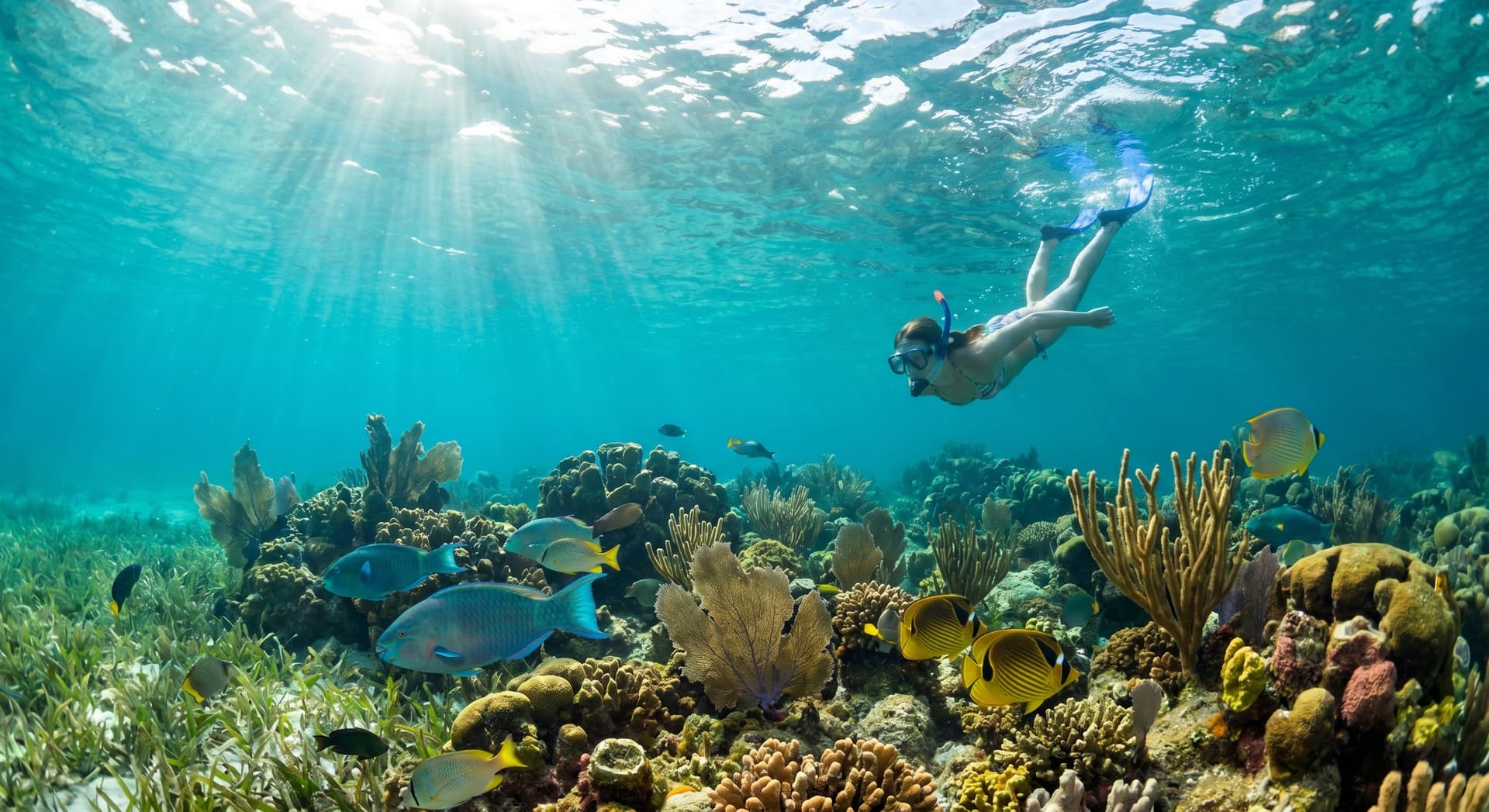 AI-generated (Nano Banana Pro)
Most visitors come to Miami expecting beaches, mojitos, and art deco. What they don't expect is a living coral reef system less than a mile offshore, shipwrecks you can float over in 15 feet of water, and an underwater memorial reef modeled after the Lost City of Atlantis. Miami's snorkeling is legitimately good — you just need to know where to go and what to pay.
This guide covers every option from free shore snorkeling to half-day boat tours, with real prices, practical tips, and honest assessments of what you'll actually see at each spot.
Best Spots for Snorkeling Near Miami
Not all snorkeling in Miami is created equal. Here's where to go depending on your experience level, budget, and how much time you have.
Bill Baggs Cape Florida State Park (Shore Entry)
The jetty rocks at the southern tip of Key Biscayne are the closest thing to free snorkeling you'll find near Miami. Wade in from the beach, follow the rocky jetty out, and you're snorkeling in calm, shallow water with sergeant majors, small grunts, parrotfish, and the occasional barracuda cruising through the seagrass beds.
The surf here is gentle because offshore reefs break the waves before they reach shore. Entry and exit are easy — gradual sandy slope, no sketchy rock scrambles. This is a great spot to practice before committing to a boat tour, or to test out new gear. Park admission is $8 per vehicle. For a full breakdown of the area, check our Cape Florida lighthouse guide.
Biscayne National Park (Half-Day Boat Tour)
If you only do one snorkeling trip in Miami, make it this one. Ninety-five percent of Biscayne National Park is underwater, which means you need a boat to see it — but what you'll see is worth every dollar. We're talking living coral reefs, mangrove shallows, and mapped shipwrecks including the Mandalay and the Arratoon Apcar.
The Biscayne National Park Institute runs the official guided tours:
| Tour | Duration | Price | Departs From |
|---|---|---|---|
| Snorkel Experience | 3.5 hours | $115 | Homestead visitor center |
| Snorkel from Coconut Grove | 3.5 hours | $115 | Coconut Grove marina |
| Snorkel & Island Visit | 6 hours | $209 | Coconut Grove |
| Sail, Paddle & Snorkel combo | 6 hours | $209 | Homestead |
Gear rental (mask, snorkel, fins) costs an additional $10 if you don't bring your own. Tours run Wednesday through Sunday starting at 9:30 AM — first-come, first-served, no reservations for gear. The park limits each trip to one boat carrying a maximum of 49 snorkelers, so book early during peak season.
Neptune Memorial Reef (Offshore Boat Tour)
About 3.5 miles off the coast of Miami Beach, the Neptune Memorial Reef is a man-made underwater structure inspired by Atlantis. It sits at around 40 feet deep — deeper than most casual snorkeling — but several tour operators take snorkelers to the shallower portions where coral-encrusted sculptures, tropical fish, sea sponges, and sea fans have colonized the structure.
Ocean Force Adventures runs a 4-hour offshore tour from Bayside Marketplace Marina for $110 per person that visits both Neptune Reef and a natural shallow reef at about 15 feet depth. Gear is included. You'll need basic swimming skills and reasonable comfort in open water — this isn't a wade-in-from-the-beach situation.
Beginner-Friendly Mangrove Snorkeling
If the open ocean sounds intimidating, several operators offer calm-water snorkeling through mangrove channels and around shallow islands. These trips use kayaks or paddleboards to reach the snorkel sites, keeping you in waist-deep to chest-deep water the entire time.
Expect to pay $65–99 per person for a 2–3 hour trip. Kids under 3 typically ride free. These tours often include drinks, fruit, and all gear. It's a solid option for families or anyone who wants to ease into snorkeling without fighting waves or currents. The mangrove areas overlap with some of the paddling routes in our kayaking and paddleboarding guide.
What Marine Life Will You See?
Miami's waters sit where the warm Gulf Stream current passes close to shore, which means you get a surprisingly diverse mix of tropical species. Common sightings include sergeant majors, angelfish, parrotfish, yellowtail snapper, barracuda, lobsters, starfish, sea urchins, sea fans, and soft corals. On a good day, you might spot sea turtles, nurse sharks, southern stingrays, or dolphins passing through.
The shipwreck sites in Biscayne National Park add another dimension — you're not just looking at fish, you're floating over a century of maritime history covered in living reef.
What It Costs: A Quick Breakdown
| Experience | Price Range | What's Included |
|---|---|---|
| Shore snorkeling (Bill Baggs) | $8 park entry + own gear | Nothing — bring your own mask and fins |
| Beginner mangrove tour | $65–99/person | Gear, kayak/paddleboard, drinks |
| Half-day reef tour (boat) | $110–119/person | Gear, safety briefing, 2 reef stops |
| Full-day snorkel + island | $209/person | Gear, island visit, lunch stop |
| Private boat charter | $200+/hour + $25/person | Customized route, gear, crew |
If you're bringing your own gear, a basic mask-snorkel-fins set runs $30–60 at any dive shop in Miami. Diver's Paradise on Miami Beach (300 Alton Road area) is a reliable local shop for rentals and purchases.
When to Go and What to Bring
The best time to visit Miami for snorkeling is December through April. Water temperatures hover around 73–78 °F, visibility is better, currents are calmer, and you won't get ambushed by afternoon thunderstorms. Summer opens up the shipwreck snorkel tours in Biscayne National Park, but you'll trade that for stronger currents, more jellyfish, and brutal humidity above the waterline.
What to bring on any snorkel trip:
Reef-safe sunscreen is non-negotiable — regular sunscreen damages the corals you're there to see. A rash guard beats sunscreen for extended water time and protects against jellyfish stings. Water shoes help at rocky entry points like Bill Baggs. Bring a dry bag for your phone and a reusable water bottle — dehydration sneaks up on you when you're floating in salt water for hours.
Safety Tips for First-Timers
Every guided tour starts with a safety briefing covering mask clearing, fin technique, and water entry. But a few things are worth knowing before you book.
Stay with your group on boat tours — currents on the outer reef can be stronger than they look from the surface. If you're shore snorkeling at Bill Baggs, check tide conditions before going out around the jetty rocks. Don't touch anything underwater — fire coral looks harmless but delivers a painful sting, and sea urchin spines are no joke in bare feet. Jellyfish are present year-round, though stings are typically mild.
If you're not a confident swimmer, start with a mangrove tour in calm, shallow water before graduating to an offshore reef trip. There's no shame in wearing a snorkel vest — most tour operators provide them free, and they make the whole experience more relaxed.
Getting There Without a Car
Most snorkeling tour operators depart from either Bayside Marketplace downtown or marinas in Coconut Grove — both are reachable via the free Metromover and Metrorail system. For details on Miami's surprisingly useful free transit, check our getting around Miami without a car guide. If you're heading to Bill Baggs on Key Biscayne, you'll need a car or rideshare — there's no public transit to the island.
Is Miami Snorkeling Worth It?
If you've only snorkeled in the Caribbean, Miami's reefs won't blow your mind in the same way. But for a city destination, the snorkeling here is remarkably good — especially Biscayne National Park, which holds its own against dedicated snorkel destinations. The real selling point is variety: you can wade in from a state park beach for $8, paddle through mangrove tunnels for under $100, or explore shipwrecks and artificial reefs on a half-day boat tour. For a first-timer who's never put their face underwater, Miami is a genuinely great place to start.