Ready for the next breakout?
Explore Miami guides, comparisons, and insights on neighborhoods like South Beach and Little Havana to find your perfect experience
Highlights
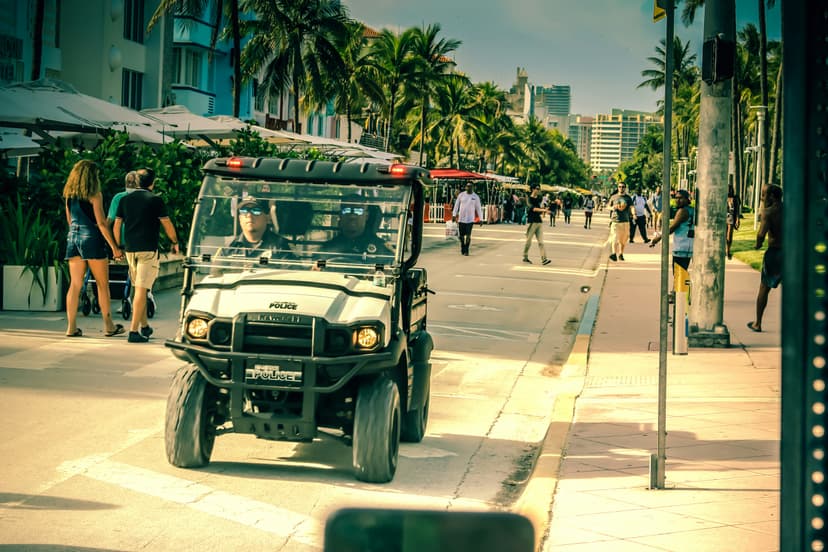
Don't miss these top editorial picks.
Wednesday, September 10, 2025
Discover the best indoor attractions in Miami to keep your family entertained when the rain pours. From immersive museums to free options, plan your perfect rainy day itinerary.
#miami#rainy-day#family-activities#museums#kids
Sunday, September 7, 2025
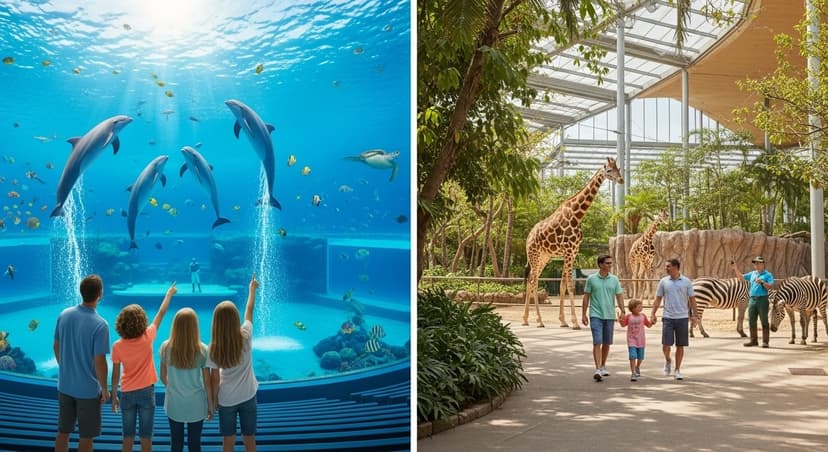
A detailed comparison between Miami Seaquarium and Zoo Miami focusing on family experiences, cost, amenities, ethics, and more to help you decide which attraction suits your visit.
#miami-seaquarium#zoo-miami#family-travel-miami#animal-parks-miami
Friday, September 5, 2025
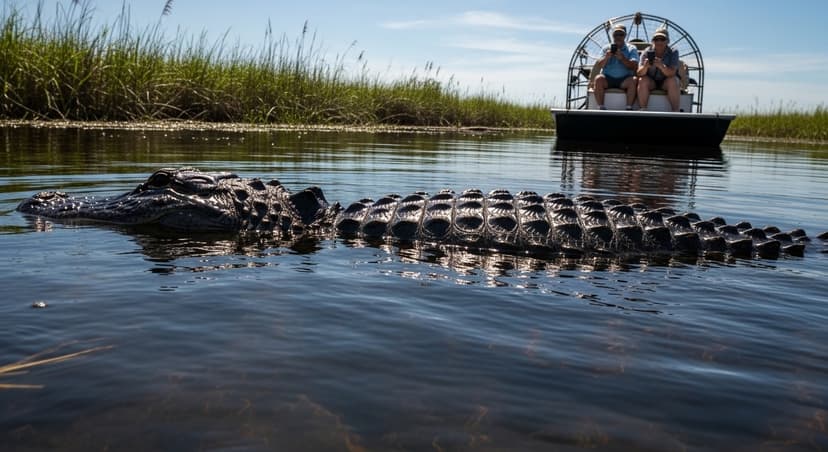
Discover the best places, tips, and safety guidelines for seeing American alligators in Miami’s unique natural habitats.
#miami#everglades#alligators#wildlife#nature#shark-valley#anhinga-trail#big-cypress
Wednesday, August 27, 2025
Explore Miami’s iconic street-culture festivals: Wynwood’s monthly art parties vs. Calle Ocho’s Latin heritage showcases. Which matches your travels in 2025?
#wynwood#calle-ocho#art-walk#carnival#cultural-festivals
Tuesday, August 26, 2025
The ultimate first-timer’s guide to South Beach nightlife — from mega clubs and Latin dance spots to rooftop lounges, dive bars, costs, safety, and tips.
#south-beach#nightlife#clubs#bars#miami
Saturday, August 23, 2025
A practical, data-backed guide to Miami safety for first-time visitors. Includes neighborhood risk breakdown, crime trends, seasonal risks, and actionable travel tips.
#miami#safety#neighborhoods#tourist-safety
Stay Updated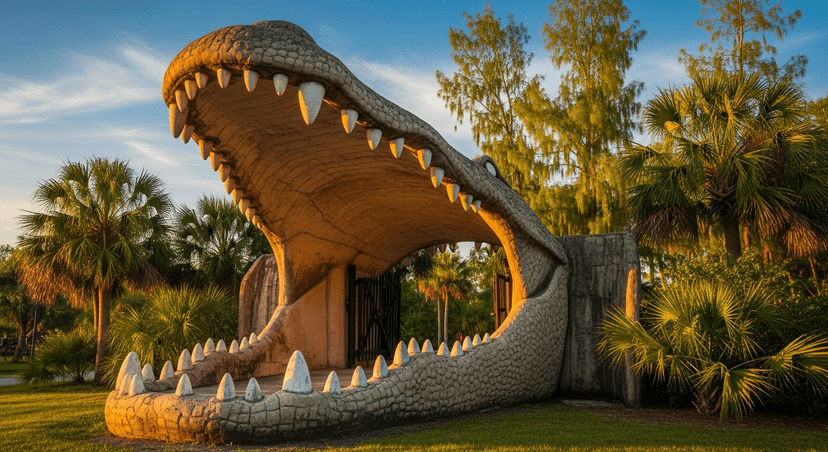

Every day we bring to you a new post about Miami.
Thursday, July 23, 2026
Gatorland opened in 1949, still runs on family money, and costs less for a family of four than one adult Disney ticket. Here's why the old gator park is worth a half day.
#orlando#gatorland#old florida#alligators#family travel#orlando attractions#budget travel
Wednesday, July 22, 2026
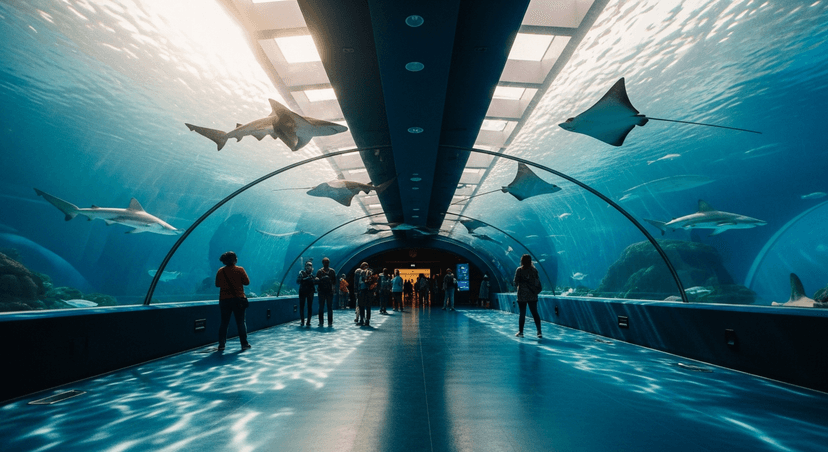
Mote's beloved City Island aquarium closed in 2025. Here's the new $130M Mote SEA at UTC — tickets, parking, what to see, and whether it's worth the drive.
#sarasota#mote sea#aquarium#things to do sarasota#florida with kids#rainy day sarasota#marine science#eugenie clark
Monday, July 20, 2026
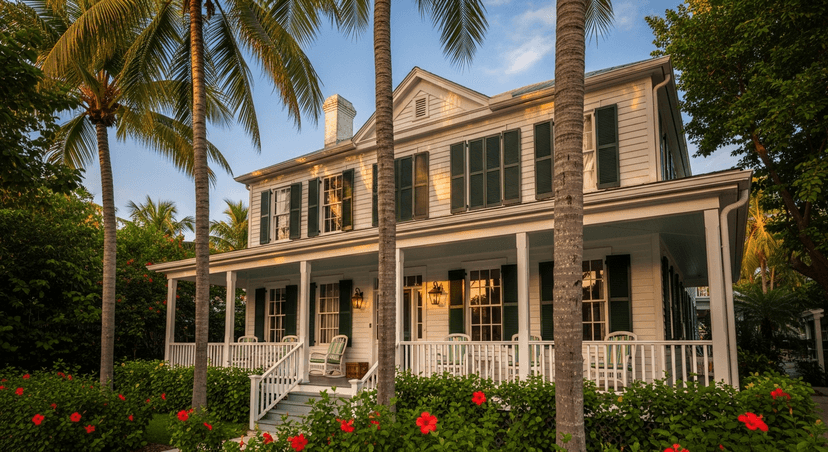
Behind the old Navy gate in Key West sits a green-shuttered duplex where Harry Truman ran the country for 175 days. Here's the history, the tour, and whether it's worth $22.75.
#key west#truman little white house#florida history#things to do key west#presidential history#key west museums#truman annex
Sunday, July 19, 2026
A first-person field guide to St. Augustine's Minorcan food — datil-pepper clam chowder, pilau, and where to eat the real thing versus the tourist stuff.
#st-augustine#minorcan food#datil pepper#florida food#clam chowder#food travel#florida history
Saturday, July 18, 2026
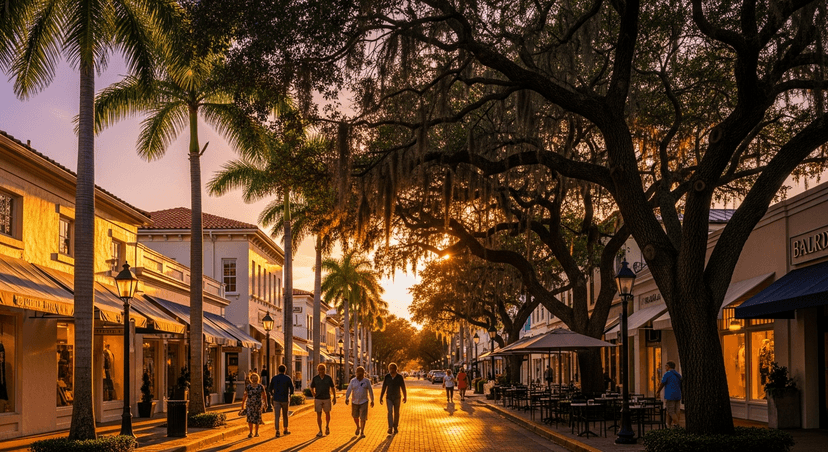
Most visitors 'do downtown Naples' on Fifth Avenue South and stop there. Here's how to walk both Fifth Ave and Third Street South in one easy day — market, galleries, beach, sunset.
#naples#old naples#fifth avenue south#third street south#downtown naples#florida gulf coast#walking guide#things to do
Friday, July 17, 2026
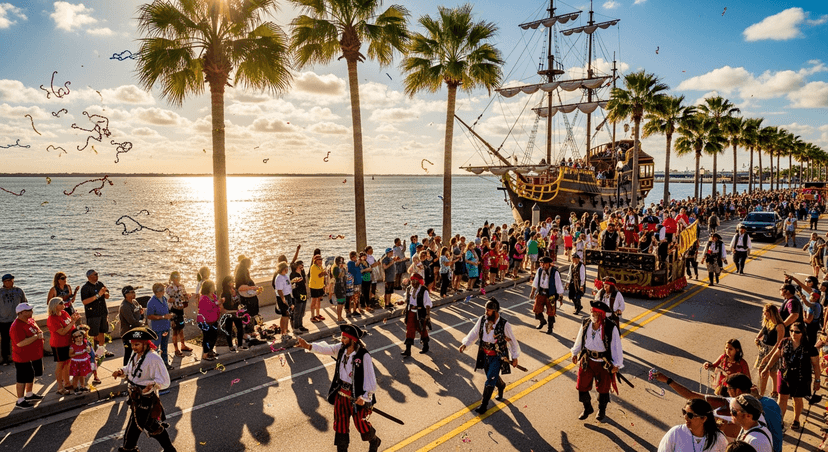
Every January, 300,000 people invade Tampa's Bayshore Boulevard to honor José Gaspar — a pirate a newspaper editor invented in 1904. Here's how Gasparilla actually works, and how to do it.
#Gasparilla#Tampa#Florida festivals#Bayshore Boulevard#Ybor City#pirate festival#Tampa events#things to do in Tampa